
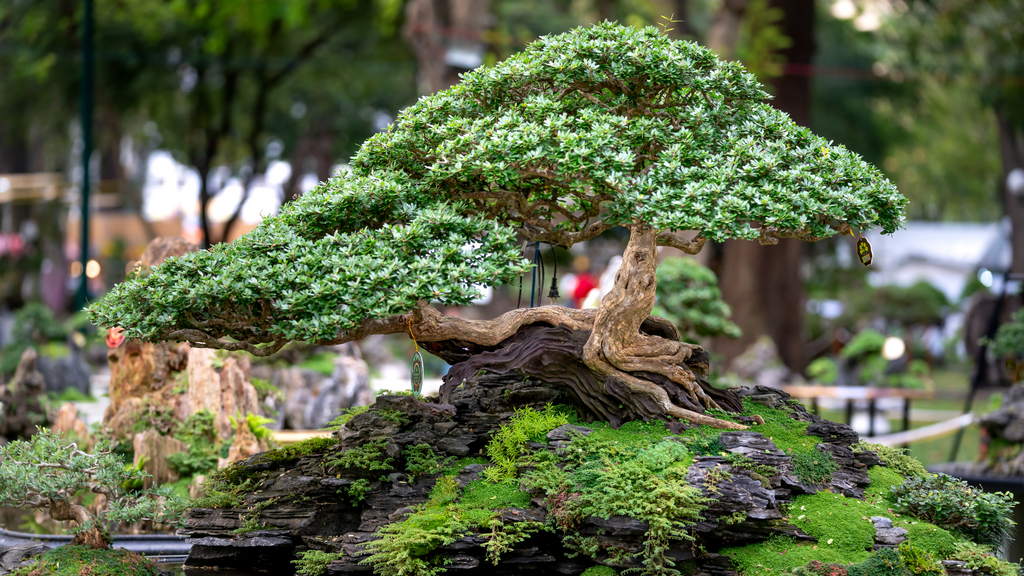
Bonsai trees, with their miniature landscapes and intricate forms, are captivating living art. But just like a full-sized tree, these little wonders require specific care throughout the year. A bonsai's journey through the seasons is just as remarkable as its form. In this article, we'll guide you through the essential care for your bonsai.
Each season presents unique opportunities and challenges for bonsai enthusiasts. To keep your bonsai healthy and thriving, you'll need to adjust your watering, feeding, placement, and tailoring these techniques to the specific demands of each passing month.
Water Wisely
bonsai trees are planted in shallow containers, which means they dry out quickly. The key is to find the balance between keeping the soil moist and avoiding overwatering, which can lead to root rot.
Finger Test Technique
Develop a daily habit of checking your bonsai's soil moisture. Stick your finger into the soil; if it feels dry to the touch, it's watering time.
Soak It In
When watering, drench the soil completely until water runs freely out the drainage holes. This ensures all the roots receive moisture.
Wilting
Wilting leaves are a telltale sign of thirst, but so are drooping branches. Pay attention to your bonsai's overall health for watering cues.
Lighting for Your Bonsai
Just like most plants, bonsai trees crave sunlight. The amount of light they need varies depending on the species, but most require at least 5-6 hours of indirect sunlight daily.
Finding the Sweet Sun Spot
A south-facing window is ideal for most bonsai trees. However, during peak sun hours, consider using a sheer curtain to diffuse harsh sunlight and prevent scorching.
Rotate for Balance
Bonsai trees naturally grow towards their light source. To maintain an even shape and prevent leaning, rotate your bonsai pot a quarter turn every week.
Pruning for Perfection
Pruning is an essential practice in bonsai care. It not only controls the size and shape of your tree but also encourages new growth, densifying the foliage for a fuller look.
Pinch and Trim
Regularly pinch off new shoots to maintain the desired shape. For thicker branches, use sharp bonsai shears for clean cuts, promoting a clean and defined structure.
Seasonal Snips
Prune more heavily during the late winter or early spring when the tree is dormant. This allows for stronger growth during the coming season.
Soil Science
Bonsai trees require a well-draining soil mix that allows for proper aeration and moisture retention. Unlike typical potting soil, bonsai soil needs to be coarse to prevent water logging. Special bonsai soil mixes are available, or you can create your own using a combination of sand, gravel, and potting soil.
Soil Selection
The right soil mix is essential for drainage and root health. Bonsai soil mixes typically include a blend of coarse particles like gravel or pumice and finer particles like sand or potting soil.
Repotting Rhythms
Bonsai trees are typically repotted every 2-3 years to refresh the soil, prune roots, and prevent them from becoming rootbound, which can stunt growth.
Feeding
Bonsai trees benefit from occasional fertilization during the growing season (usually spring and summer) to promote healthy growth. However, over fertilizing can damage the delicate roots.
Bonsai-Specific Feast
Use a balanced fertilizer specifically formulated for bonsai trees. Dilute it according to the package instructions and apply sparingly, as a little goes a long way.
Less is More
Remember, it's always better to under-fertilize than to over-fertilize your bonsai. Too much fertilizer can burn the roots and hinder growth.
Wiring
Bonsai can be wired to shape the branches and create a desired look. Use aluminum or copper wires for shaping and training the branches. For best results, apply the wire gently during the growing season and remove it before it digs into the bark.
Pest and Disease Control
Bonsai trees are susceptible to the same pests and diseases as other trees. Regularly inspect your bonsai for signs of trouble and treat promptly with organic or inorganic pesticides following the instructions on the label.

Spring Bonsai Care
Spring is generally considered the awakening time for bonsai. Here's what to focus on:
- Repotting
As your bonsai emerges from dormancy, early spring is the perfect time to repot if needed. Check the roots for signs of crowding or circling and repot in a well-draining bonsai mix.
- Watering
Increase watering frequency as the weather warms and new growth appears. The key is to avoid overwatering, so allow the top layer of soil to dry slightly between waterings.
- Feeding
Begin fertilizing with a balanced fertilizer once new growth starts.
Summer Bonsai Care
Summer can be stressful for bonsai. Here's how to keep them cool and happy:
- Placement
Provide your bonsai with plenty of indirect sunlight. Avoid harsh afternoon sun, which can scorch the leaves.
- Watering
Water thoroughly when the top layer of soil feels dry. You may need to water more frequently during hot spells.
- Humidity
Increase humidity around your bonsai using a pebble tray or humidifier, especially if it's an indoor bonsai.
Fall Bonsai Care
As the days shorten and temperatures cool, fall is a time to prepare your bonsai for winter:
- Watering
Gradually reduce watering frequency as the growth slows.
- Feeding
Stop fertilizing in late fall to allow the tree to enter dormancy.
- Placement
For outdoor bonsai, protect them from harsh winter winds and freezing temperatures. You may need to bring them indoors to a cool, protected area.
Winter Bonsai Care
Winter is a time for your bonsai to rest and conserve energy. Here's what to keep in mind:
- Watering
Water only sparingly during winter, just enough to prevent the soil from drying out completely.
- Placement
Keep indoor bonsai in a cool, bright location. Outdoor bonsai should be protected from freezing temperatures.
- Pruning
If necessary, light pruning can be done in late winter on deciduous bonsai.
These are general guidelines, and the specific needs of your bonsai will vary depending on the species. Always research the specific care requirements of your particular bonsai tree. With a little extra care throughout the year, you can ensure your bonsai thrives for many seasons to come.
FAQ
1. How often should I water bonsai through the year?
Bonsai like consistent moisture, but not soggy roots. In summer, they may need daily watering, while in cooler months, every few days may be enough. Always check the soil, if the top feels slightly dry, it’s time to water.
2. When is the best time to prune or repot bonsai?
- Pruning: Light trimming can be done year-round, but major shaping is best in spring or early summer when the tree is actively growing.
- Repotting: Most bonsai benefit from repotting every 2–3 years in spring, just before new growth starts.
3. Can I keep bonsai indoors year-round?
Some tropical species (like ficus or jade) do well indoors all year if they get enough light and humidity. However, many bonsai, especially outdoor varieties like juniper or pine, need seasonal changes and a winter rest period outside.
4. Why are my bonsai leaves yellowing?
Yellow leaves can mean:
- Overwatering or poor drainage
- Not enough lightNutrient deficiency
- Seasonal leaf drop (for deciduous species)
- Check watering habits first, then adjust light and feeding as needed.
Beautiful Bonsais from Orchid Republic

Orchid Republic Floral Boutique is a local flower shop in Los Angeles and Orange County that specializes in stunning orchids and floral arrangements. We also offer a unique selection of bonsai trees perfect for your home or office. If you’re just starting with your bonsai journey, our expert florists will help you choose the right one for you.
Leave a comment